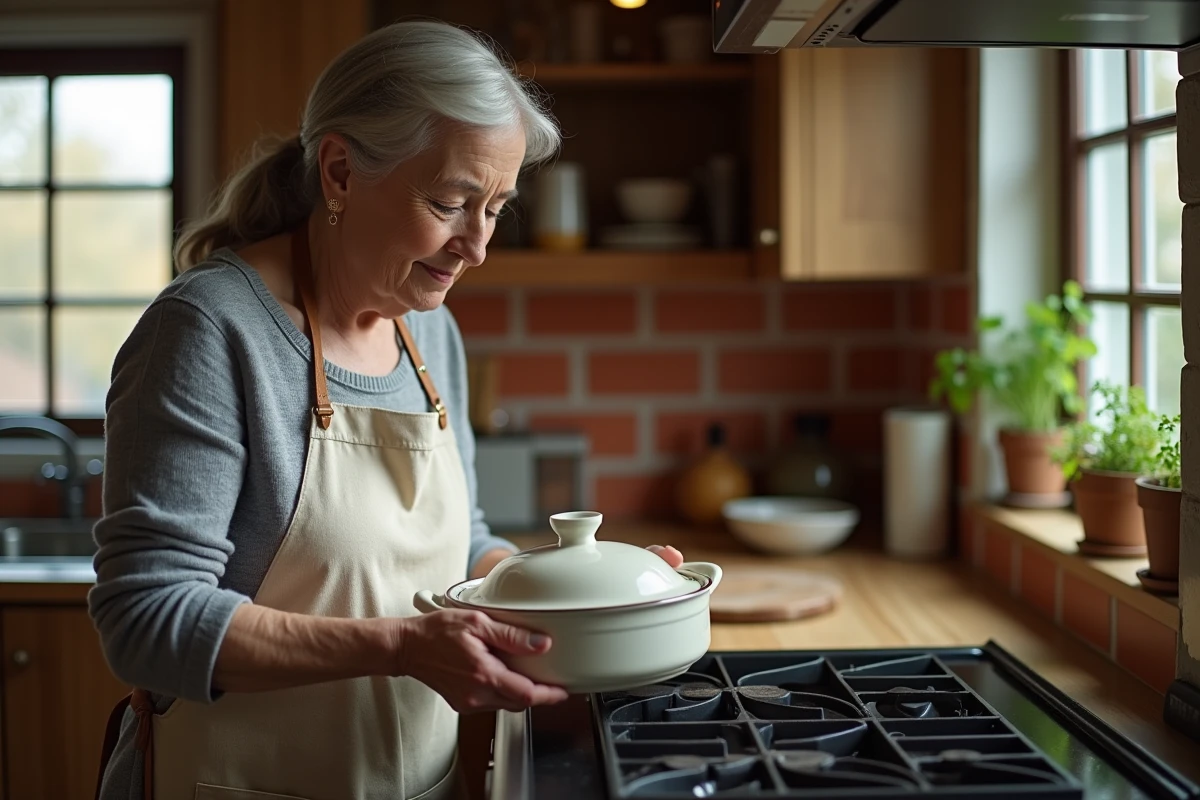
Cooked meat that loses its juices when reheated undergoes a specific phenomenon: the muscle fibers, already contracted from the initial cooking, expel their residual water as soon as the temperature rises too quickly or too high. Therefore, reheating already cooked meat in the oven without drying it out relies on a simple principle: keep the internal temperature low, slow down the heat rise, and compensate for moisture loss.
Thickness and Cut: The Factor Most Guides Ignore
The common reflex is to choose a reheating method based on the type of meat (beef, chicken, pork). This is a misleading shortcut. The thickness of the piece determines the method much more than the animal species.
A thin slice of roast beef does not reheat like a whole two-kilogram roast. The slice reaches the target temperature in a few minutes: an oven that is too hot dries it out before you even realize it.
The whole roast, on the other hand, tolerates a longer oven time but requires gentle, enveloping heat so that the center warms up without the exterior turning to cardboard.
Pulled meat (pulled pork, duck confit) constitutes a third case. Its separated fibers offer a considerable evaporation surface. Without added liquid, it dries out in a few minutes, regardless of the cooking method chosen.
To reheat already cooked meat in the oven reliably, the first question to ask is not “beef or poultry?” but “what thickness and what state of the fiber?”
Low-Temperature Oven Reheating: The Protocol That Preserves Juices
The oven remains the most suitable method for thick cuts and whole roasts. The key lies in the temperature-covering combination.
Low Temperature and Gradual Rise
Set the oven to a low temperature, the gentlest your appliance allows. A slow rise gives the fibers time to relax instead of contracting abruptly. The meat reaches serving heat without the water contained in the tissues evaporating massively.
Place the meat in a suitable dish, ideally in a Dutch oven or on a high-sided platter. Pour in a base of liquid of your choice:
- A little broth or sauce base, which provides both moisture and flavor without diluting the meat’s taste.
- A splash of water with a spoonful of marinade saved from the first cooking, if you have kept some.
- A dash of wine (red for beef, white for poultry), which compensates for evaporation while adding an aromatic dimension to the reheating.
Covering Without Steaming
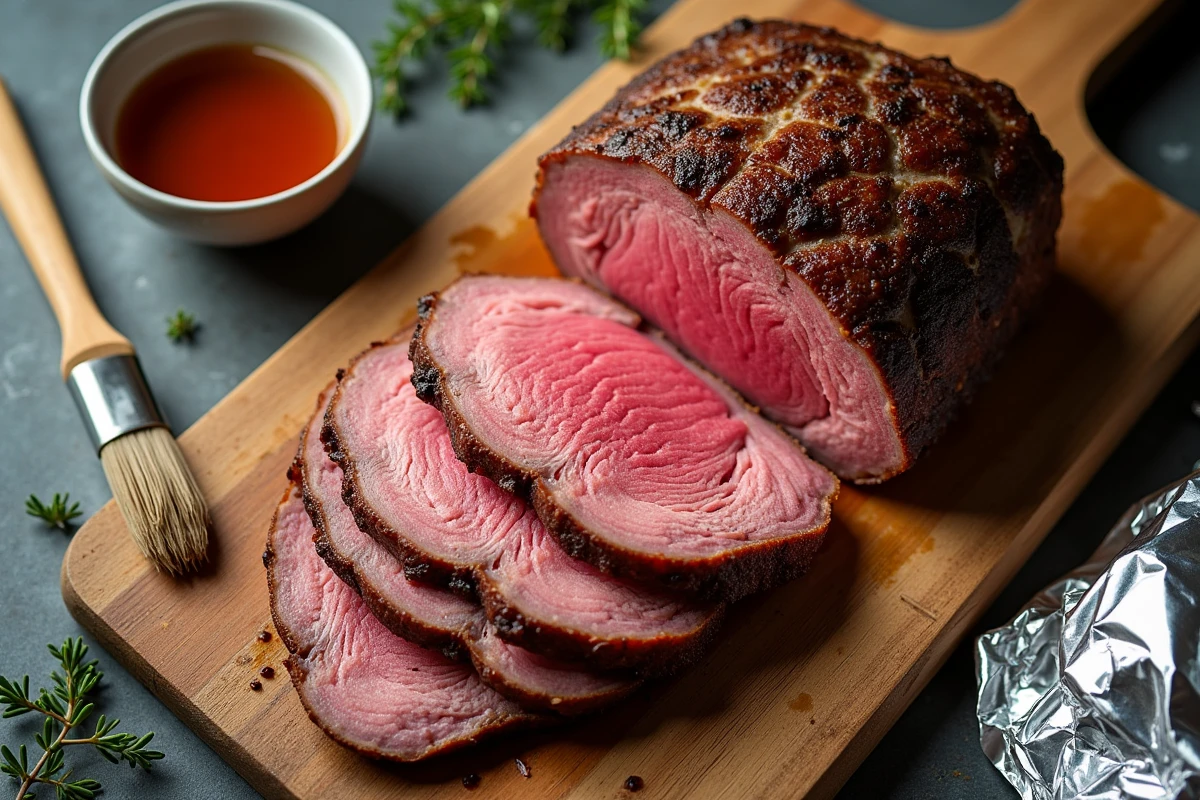
Cover the dish with aluminum foil or a lid. The goal is to trap the steam without creating a condensation bath that would soften the outer crust. If using aluminum, place it without pressing it against the meat: leave a small air gap between the surface of the piece and the foil.
This detail changes the outcome. Aluminum pressed against a roast creates a steaming effect: the crust softens, and the texture becomes sponge-like. A slightly domed aluminum cover retains the ambient moisture in the dish while allowing the surface to breathe.
Microwave and Skillet: Adapting the Technique for Thin Slices
Thin slices and pulled meat do not fare well with prolonged oven exposure. For these cuts, two alternatives work, provided a few rules are followed.
Microwave with Power Control
The microwave is not a default choice reserved for those in a hurry. Used at reduced power, it reheats thin slices evenly and quickly. Reducing the power to half of the maximum capacity allows the waves to penetrate the meat without overheating the surface.
Arrange the slices in a single layer on the plate. Add a tablespoon of water or sauce to the dish, then cover with a microwave-safe lid (or an inverted plate). Heat in short intervals, checking the temperature between each session.
Covered Skillet for Pulled Meat
The covered skillet is particularly suitable for pulled meat or small pieces. Heat the skillet over low heat, add a base of sauce or broth, then place the meat. Cover immediately.
The liquid creates a micro-humid atmosphere under the lid. The meat reheats by contact and steam simultaneously, which limits the evaporation of its own juices. Count only a few minutes: pulled meat, with its significantly exposed surface, reaches the right temperature very quickly.

The Resting Period Before Serving: A Step Often Skipped in Reheating
The resting of meat after cooking is a well-known gesture. After reheating, this same resting is just as useful, and almost no one practices it.
When the meat comes out of the oven or skillet, the fibers are still under thermal tension. Letting the meat rest for a few minutes after reheating allows the juices to redistribute within the mass instead of flowing out when cut. Cover the piece with a sheet of aluminum during this rest to maintain heat without further cooking.
This resting time is especially beneficial for thick cuts (beef roast, shoulder, whole poultry thigh). For thin slices, simply leave them in the covered dish for a minute before serving.
The difference between juicy reheated meat and dry meat rarely comes down to the recipe or equipment. It hinges on three manageable parameters: the reheating temperature, the presence of a protective liquid, and the time allotted to each step, including resting.